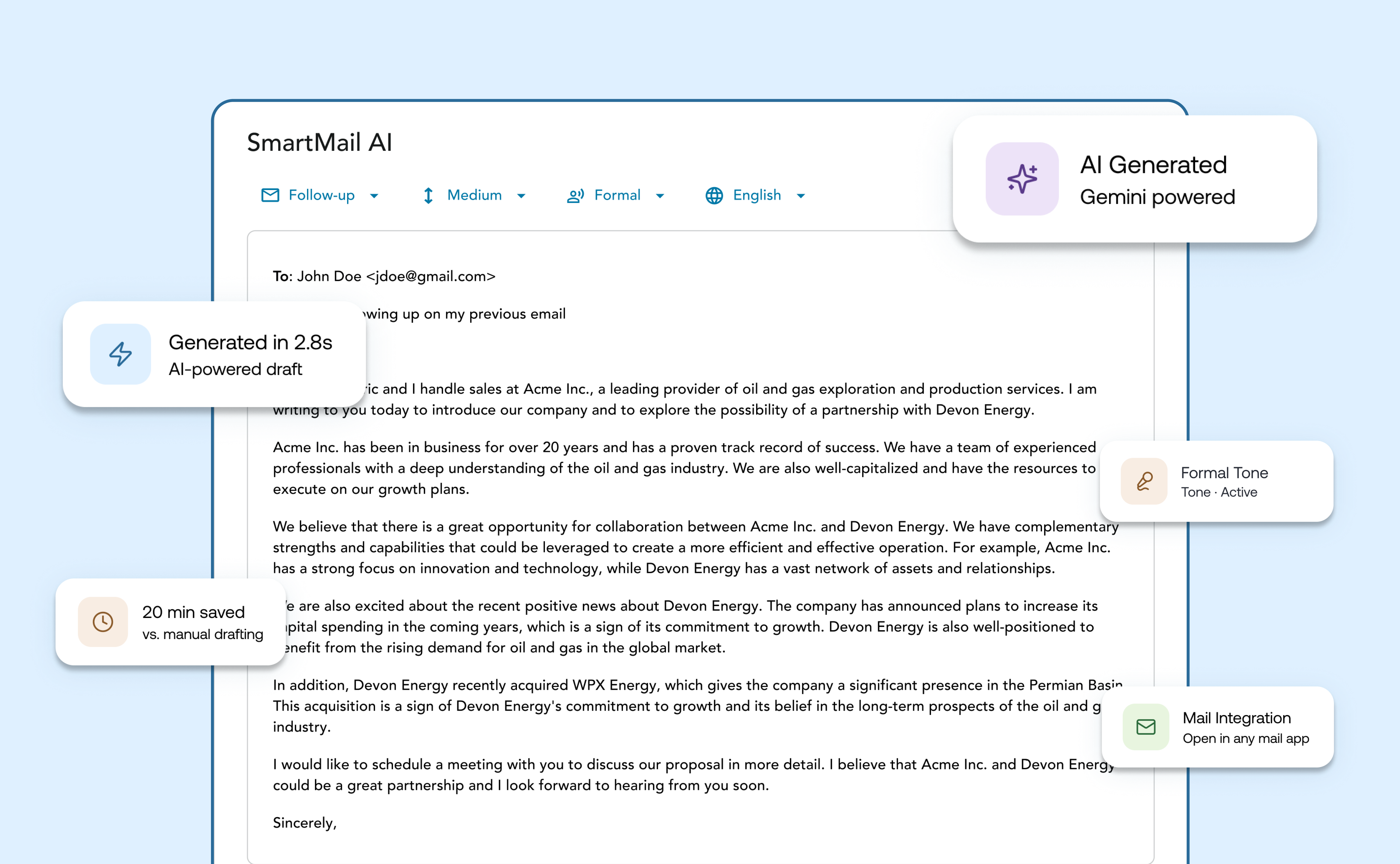
SmartMail AI helps sales reps send personalized, AI generated emails in seconds using D&B data. As the UX Lead, I owned the feature from concept to launch.
Sales reps were spending more time searching for information than contacting their potential customers.
D&B Hoovers had the data. But reps were switching between four tools and piecing together context manually just to write one email. Twenty minutes of prep before a single word of outreach. That friction wasn't just slowing them down. It was costing them deals.
Jumped between 4+ tools for every email
Reps switched between Hoovers, LinkedIn, news sites, and their CRM just to gather context.
20 minutes lost before they could even start writing
Copying company and contact data manually took up to 20 minutes per email.
Drop in contact usage
Reps weren't using contact data. Without an easy way to pull it in, most defaulted to generic emails.
Email personalization was just as important to reps as the AI writing the email.
What I found
Through conversations with sales reps, I discovered that most weren't using Hoovers' own data to write emails. When information was hard to find, they switched to Google or LinkedIn instead. Even when they did use Hoovers, writing one personalized email still took 20 to 30 minutes.
Reps wanted control over tone, length, email type, and how they positioned their product for each opportunity. Every pitch was different, and they needed the email to reflect that.
The constraint
The AI model powering the feature had no context about what the rep was actually selling in that moment. Without that, every generated email felt generic. I identified that reps needed a way to feed the model their own context at the point of generation, so the output felt like something they would actually send.
The challenge was finding the right balance: giving the AI enough structure to produce reliable output, while giving reps enough control to make it their own.
"I don't want the same email for every company. Sometimes I want to keep it light and generic, sometimes I need to be specific about what we're offering."

Sales rep, interview participant
"I have my own way of writing. I want to decide the tone and how I ask for the next step. I don't want the AI deciding that for me."

Sales rep, interview participant
Sales reps needed control over tone and style.
Research made one thing clear: reps weren't just writing emails, they were making judgment calls. Introduction or follow-up. Formal or conversational. Those decisions belonged to the rep, not the AI. So I introduced controls for tone, length, email type, and language. The AI handled the draft. The rep stayed in control of how it felt.
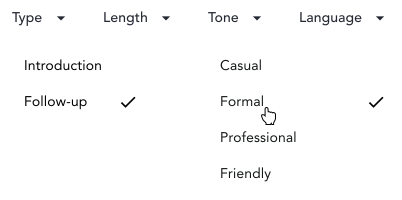
Giving the AI context made every email more purposeful.
Three inputs gave the AI the business context it needed to generate emails that matched the rep's actual opportunity, increasing the chances of a response.



Giving reps control over AI inputs introduced risk. So we set guardrails to prevent misuse.
Anyone could type anything, and unfiltered inputs would go straight to the model. To protect output quality and prevent misuse, I designed a set of guardrails: content filtering to block inappropriate inputs, and character limits to prevent the model from being overloaded.

Content filtering
Inappropriate content is detected and blocked before being sent to the model.
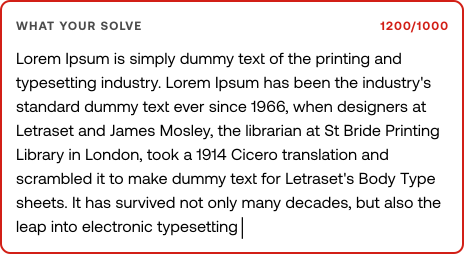
Character limit
Input is capped at 1,000 characters.
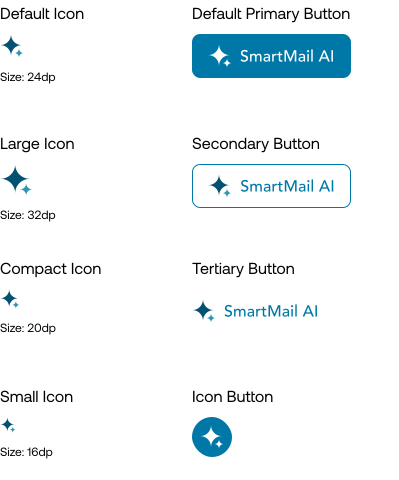
Designing an AI identity that felt familiar and recognizable.
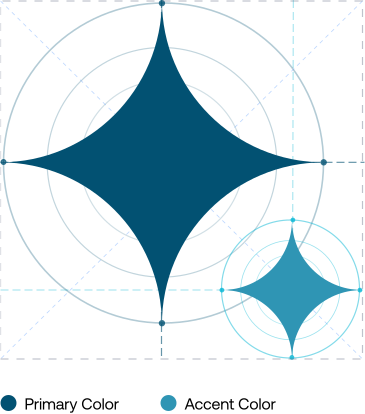
SmartMail was the first AI feature in Hoovers. To help users identify it instantly, I researched how other products were handling AI iconography. A consistent pattern emerged across the industry: the spark icon. I collaborated with the branding and legal teams to adapt this into a custom icon that felt native to Hoovers, specific enough to signal AI, and familiar enough for users to trust it immediately.
Final Designs
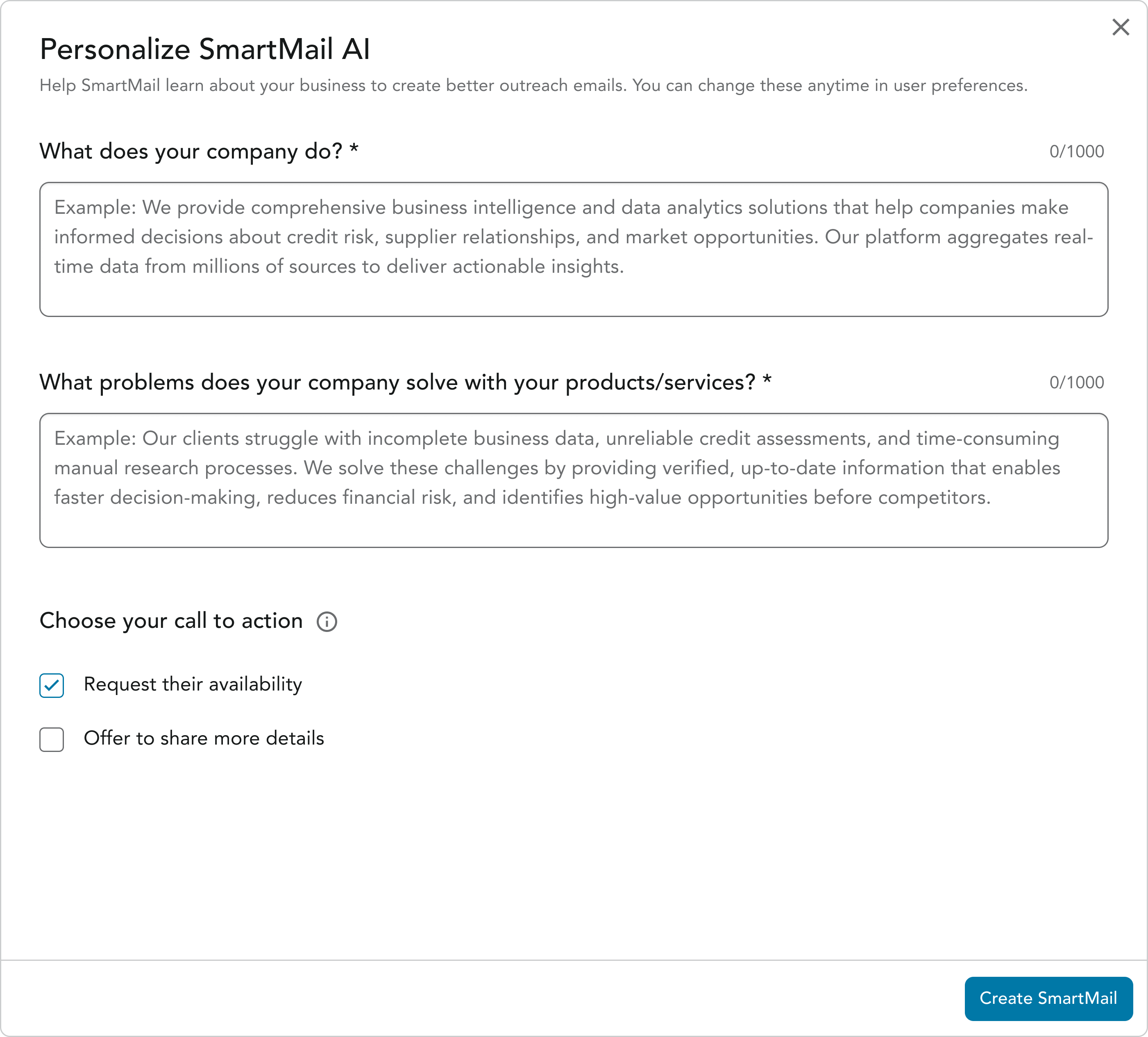
Providing context to the model
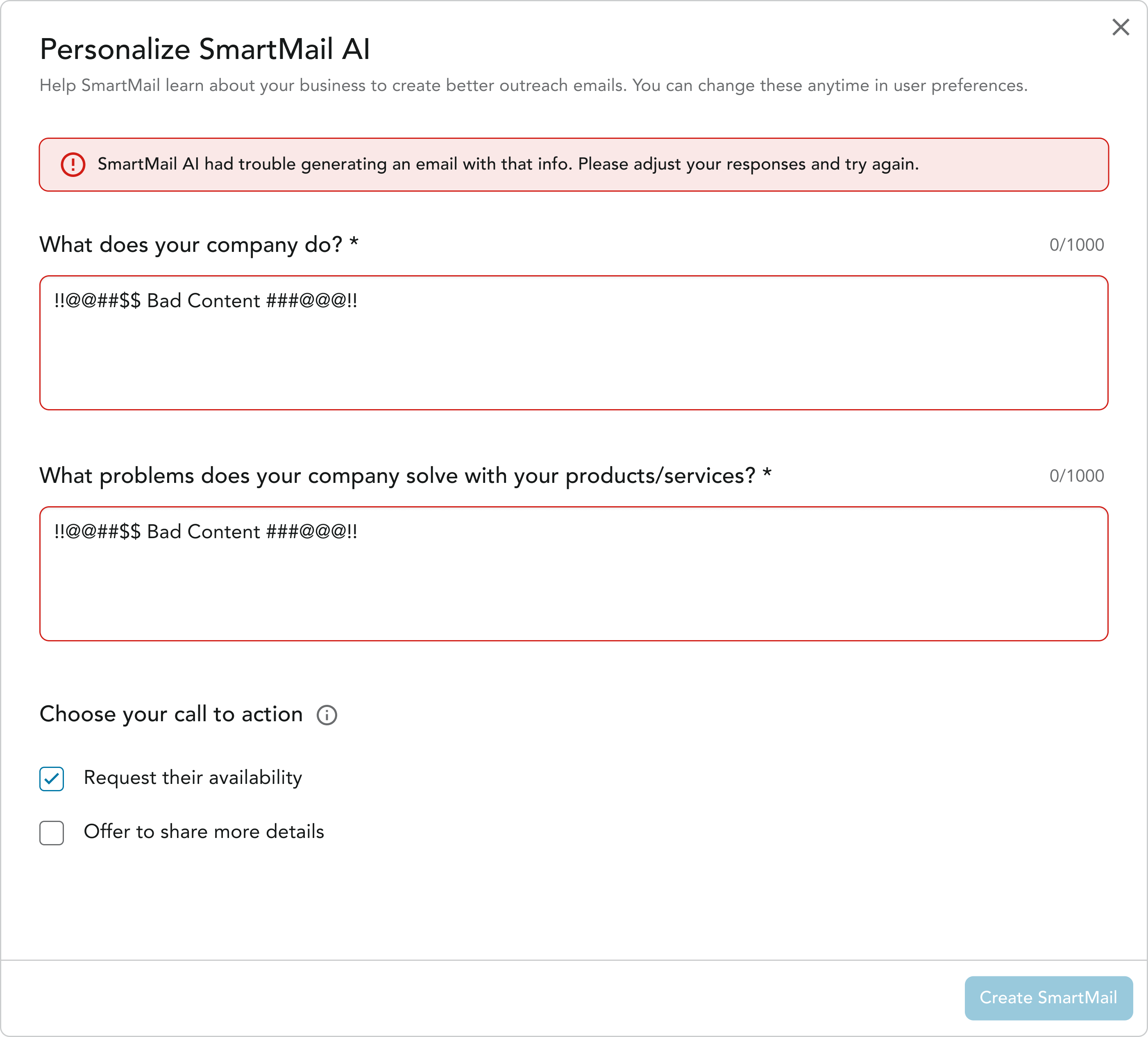
AI guardrails triggered to prevent misuse
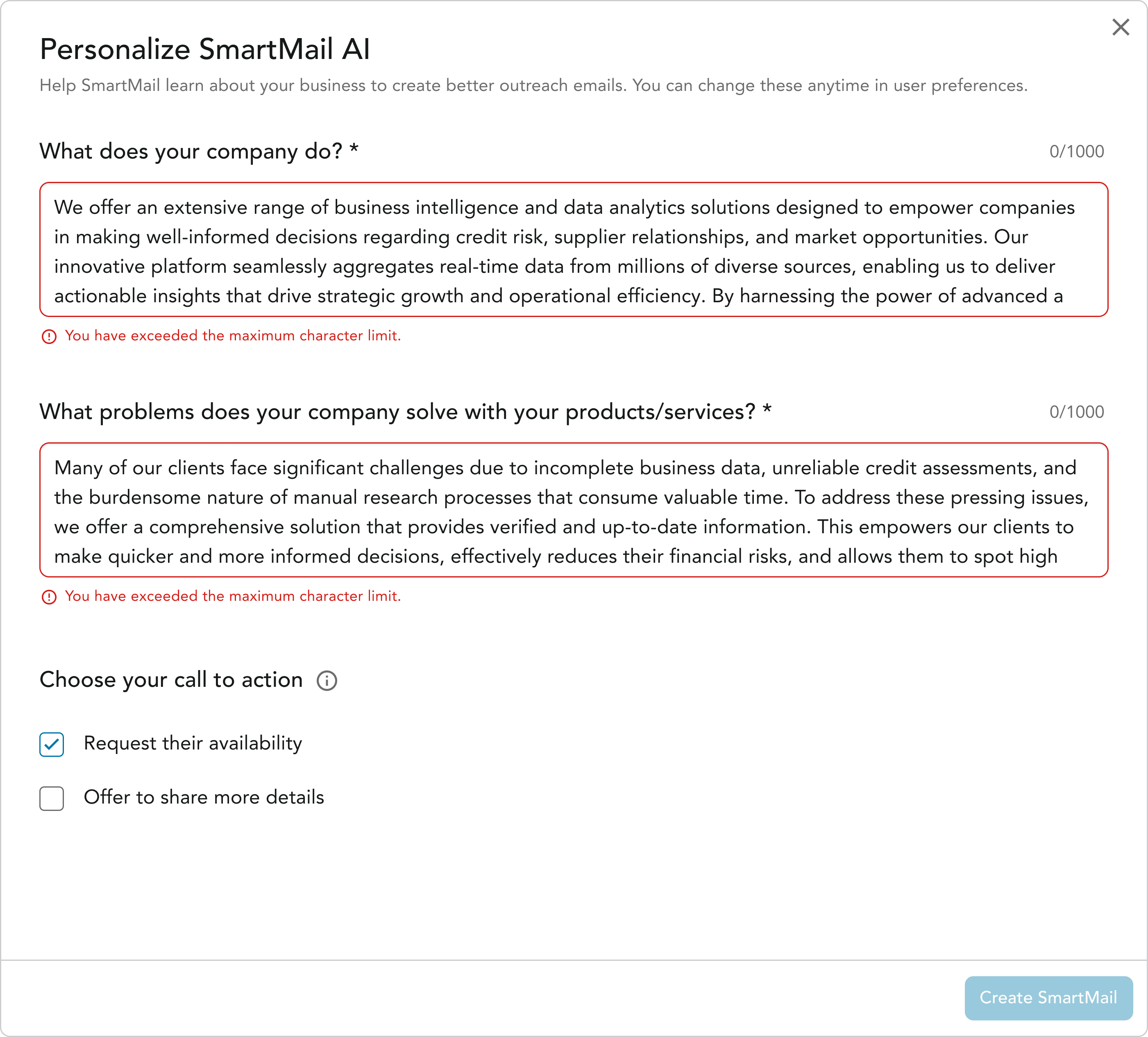
Character limit to prevent the model from being overloaded
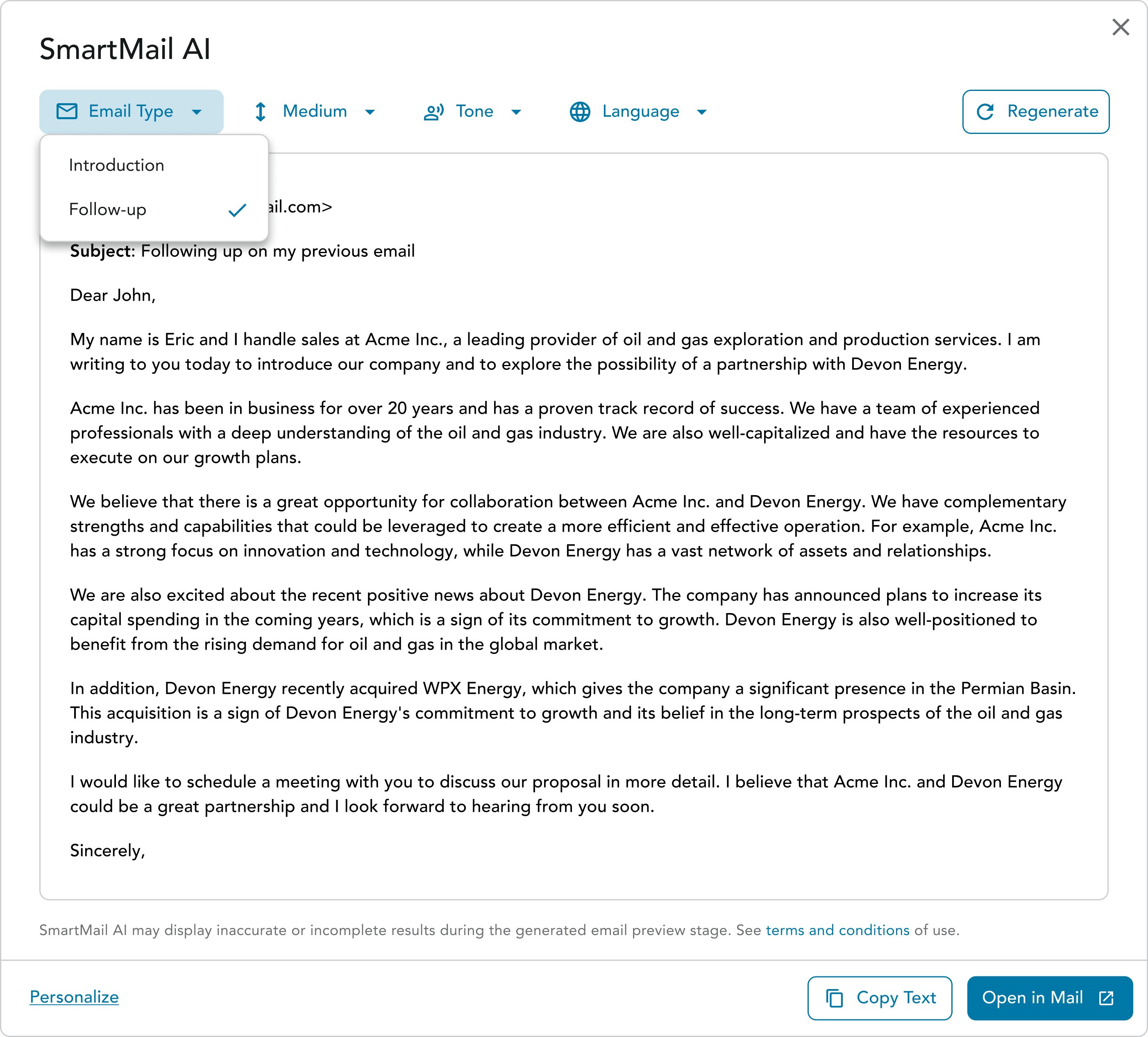
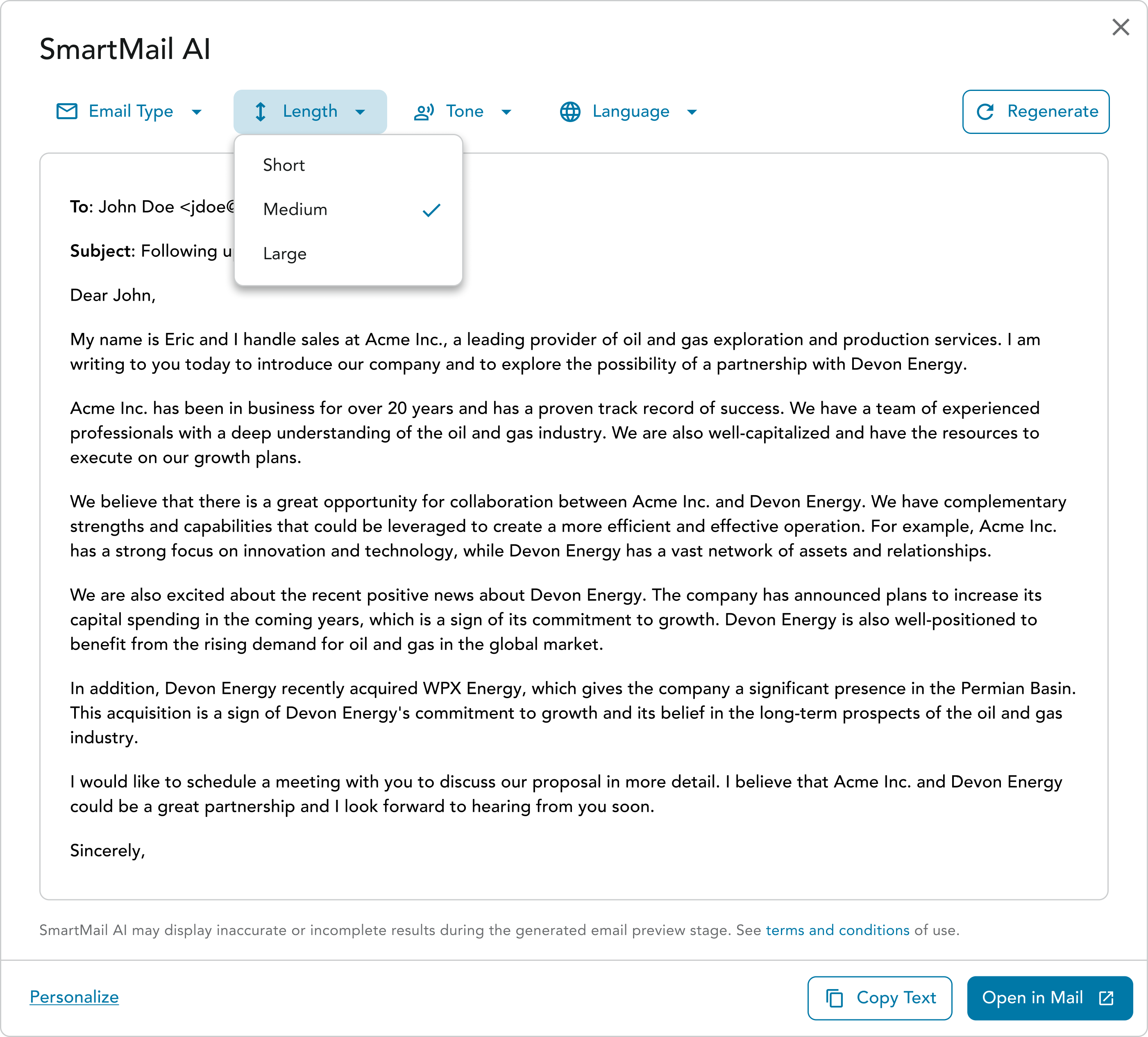
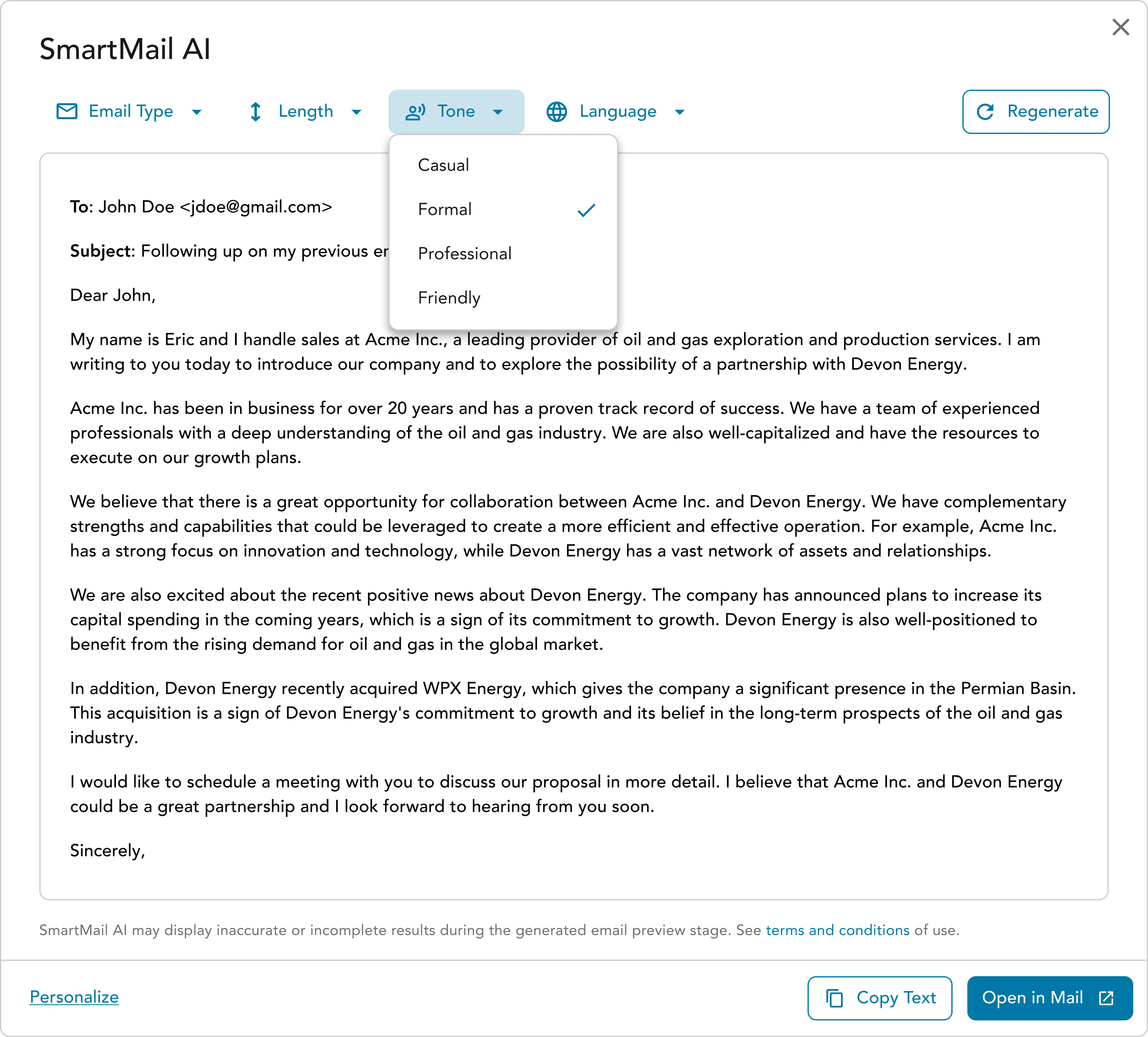
Enabling users to customize the AI generated email to match their preferred style
Press Coverage
"JACKSONVILLE, Fla. (BUSINESS WIRE) Dun & Bradstreet (NYSE: DNB), a leading global provider of business decisioning data and analytics, today announced SmartMail AI."
Dun & Bradstreet · Business Wire via Nasdaq, 2024
Read press release ↗What I learned
AI features work best when they live inside the user's workflow.
SmartMail worked because it met reps where they already were. The email generator wasn't a separate tool they had to go find. It was embedded in the moment they needed it. That placement was as much a design decision as the feature itself.
Designing for misuse early makes the experience better for everyone.
Anticipating misuse before launch meant we could design guardrails that protected the experience without getting in the way of the people using it correctly.
If you've made it this far, thanks for reading. This case study highlights the key moments, but there were many more design decisions, tradeoffs, challenges, and wins along the way.